Boxing for Beginners: How to Start Boxing and What Your First Month Looks Like
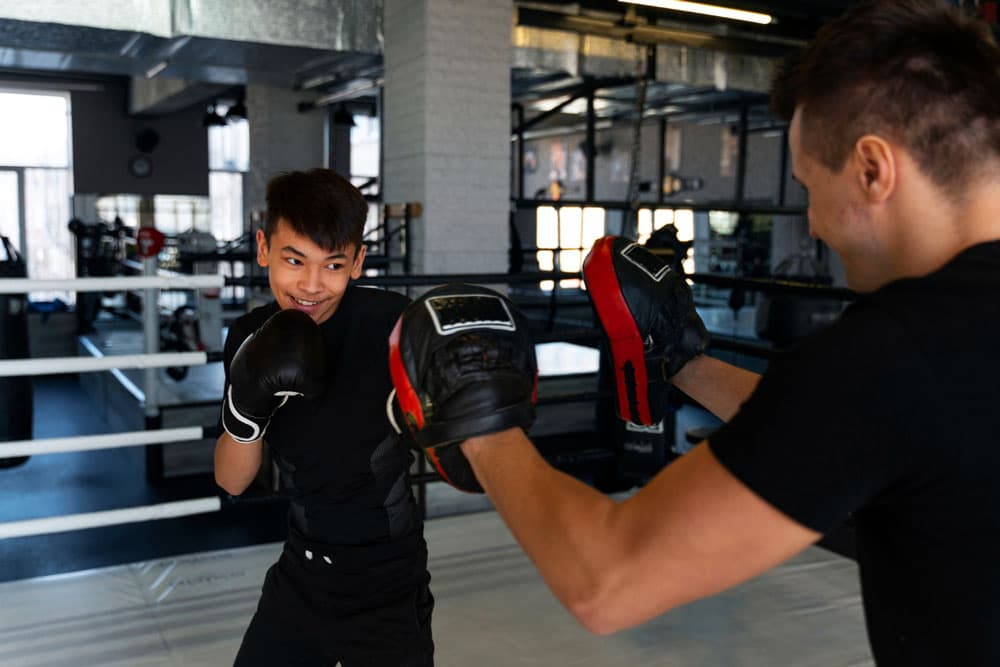
Boxing is one of the best ways to get fit, build confidence and learn a real skill at the same time. It can also feel intimidating from the outside: the gyms look serious, the vocabulary is unfamiliar, and it is hard to know whether you are supposed to show up already in shape. You do not need to be. Most people at a boxing gym started exactly where you are.
This guide covers how to start boxing as a complete beginner: where to train, what happens in your first class, the basics you will learn, the gear you need, and what a realistic first month looks like.
Is It Too Late to Start Boxing?
No. People start boxing in their 20s, 30s, 40s and beyond, and most of them train for fitness, stress relief and confidence rather than to compete. A good coach will scale the intensity to your fitness level and focus on technique that keeps you safe.
If you want to compete as an amateur, start the conversation with a coach early. Amateur boxing has age divisions, registration and medical requirements, and a coach can tell you what applies to you.
Boxing Gym, Boxing Class or Private Coach?
Traditional boxing gyms
Old-school gyms have heavy bags, speed bags, a ring and trainers who teach real boxing technique. Many charge for gym access and let you hire a trainer separately. They are the best choice if you want to learn to box properly and maybe spar one day.
Boxing fitness classes
Boutique studios run high-energy group workouts built around bag work. They are a great workout, but with a full class you will get less individual feedback on your technique.
Private lessons
One-on-one sessions are the fastest way to learn correct stance, footwork and punching mechanics, because your coach can fix mistakes in real time. Many beginners take a private lesson once a week and add group classes for conditioning. For real prices from gyms in 12 cities, see our boxing class cost guide.
What Happens in Your First Boxing Class
- Hand wrapping. Your coach will show you how to wrap your hands to protect your wrists and knuckles.
- Warm-up. Usually jump rope, shadowboxing or bodyweight conditioning.
- Stance and guard. Where to put your feet, how to hold your hands, and how to keep your chin protected.
- Basic punches. The jab and cross first, then hooks and uppercuts as you progress.
- Bag or pad work. Putting punches together on the heavy bag or on mitts held by your coach.
- Conditioning. Most classes finish with core work and conditioning rounds.
Wear athletic clothes and sneakers, and bring water and a towel. Expect to be tired; boxing works your legs, shoulders and core far more than most people expect.
The Basics You Will Learn
Stance
Right-handed boxers usually fight orthodox, with the left foot forward. Left-handed boxers usually fight southpaw, with the right foot forward. Your feet stay about shoulder-width apart, knees slightly bent, weight balanced so you can move in any direction.
The punch numbers
Coaches often call combinations by number. The most common system is:
- 1: jab (lead hand, straight)
- 2: cross (rear hand, straight)
- 3: lead hook
- 4: rear hook
- 5: lead uppercut
- 6: rear uppercut
So a "1-2" is a jab followed by a cross, the first combination almost every boxer learns. Some gyms number the uppercuts differently, so follow your coach's system.
Defense and footwork
Good coaches teach defense from the start: keeping your hands up, slipping, rolling under hooks and moving your feet so you are never standing still in front of your opponent. Footwork feels boring at first, but it is what makes every punch work.
What Your First Month Looks Like
Most coaches suggest training two to three times a week as a beginner. A typical first month looks something like this:
- Week 1: hand wrapping, stance, guard and the jab. You will be sore.
- Week 2: the cross, the 1-2 combination and basic footwork.
- Week 3: hooks, simple defense such as blocking and slipping, and longer bag rounds.
- Week 4: uppercuts, three- and four-punch combinations, and pad work that puts offense and defense together.
Everyone moves at a different pace, and that is fine. The goal of the first month is clean basics and better conditioning, not fighting.
Gear You Will Need
- Hand wraps: your first purchase, and inexpensive.
- Gloves: most gyms lend gloves at first. When you buy your own, 12 to 16 oz training gloves are typical, and many gyms ask for 16 oz gloves for sparring.
- Mouthguard: needed once you start contact drills or sparring.
- Shoes: flat athletic sneakers are fine to start. Boxing shoes come later, if at all.
Do You Have to Spar?
No. Sparring is always optional, and most people who box for fitness never do it. If you want to spar, a responsible coach will wait until your defense and control are solid, start you with light technical sparring, and require proper protective gear. Never let anyone push you into sparring before you are ready.
Can You Learn Boxing at Home?
You can practice at home with shadowboxing, footwork drills, jump rope and conditioning, and it helps you progress faster between sessions. But it is very hard to learn correct technique without someone watching. Small mistakes, like dropping your rear hand when you jab, become habits quickly. The best approach is to learn from a coach and practice at home.
Is Boxing a Good Workout?
Yes. Boxing combines cardio, coordination, core strength and muscular endurance in the shoulders, back and legs. It builds a lean, conditioned body rather than bulk, so if your main goal is building large muscles, pair it with strength training.
Boxing vs. Kickboxing
Boxing uses punches only, so training goes deep on hand technique, head movement and footwork. Kickboxing adds kicks and sometimes knees, which spreads training across more techniques. Both are excellent workouts. If you want to master striking with your hands, start with boxing.
Find Beginner Boxing Classes Near You
Coavora matches you with coaches who teach beginners and helps you find beginner-friendly boxing gyms. See our local guides to boxing in New York, Miami, San Diego, Philadelphia and Nashville, or browse all boxing locations.
Frequently Asked Questions
- Is it too late to start boxing at 25, 30 or 40?
- No. Most people at boxing gyms start as adults and train for fitness and confidence. A coach will match the intensity to your fitness level. If you want to compete, talk to a coach early about amateur age divisions and requirements.
- Can I learn boxing by myself?
- You can practice shadowboxing, footwork and conditioning at home, but it is hard to learn correct technique without a coach watching. Most beginners learn fastest by taking lessons and practicing at home between sessions.
- How often should a beginner box?
- Two to three sessions a week is a good starting point. It gives you enough repetition to build technique and enough rest to recover.
- What are 1, 2, 3, 4, 5, 6 in boxing?
- In the most common numbering system, 1 is the jab, 2 is the cross, 3 is the lead hook, 4 is the rear hook, 5 is the lead uppercut and 6 is the rear uppercut. Some gyms number the uppercuts differently.
- Do I have to spar to learn boxing?
- No. Sparring is always optional, and most people who box for fitness never spar. If you choose to, a good coach will wait until your technique and defense are ready and require protective gear.